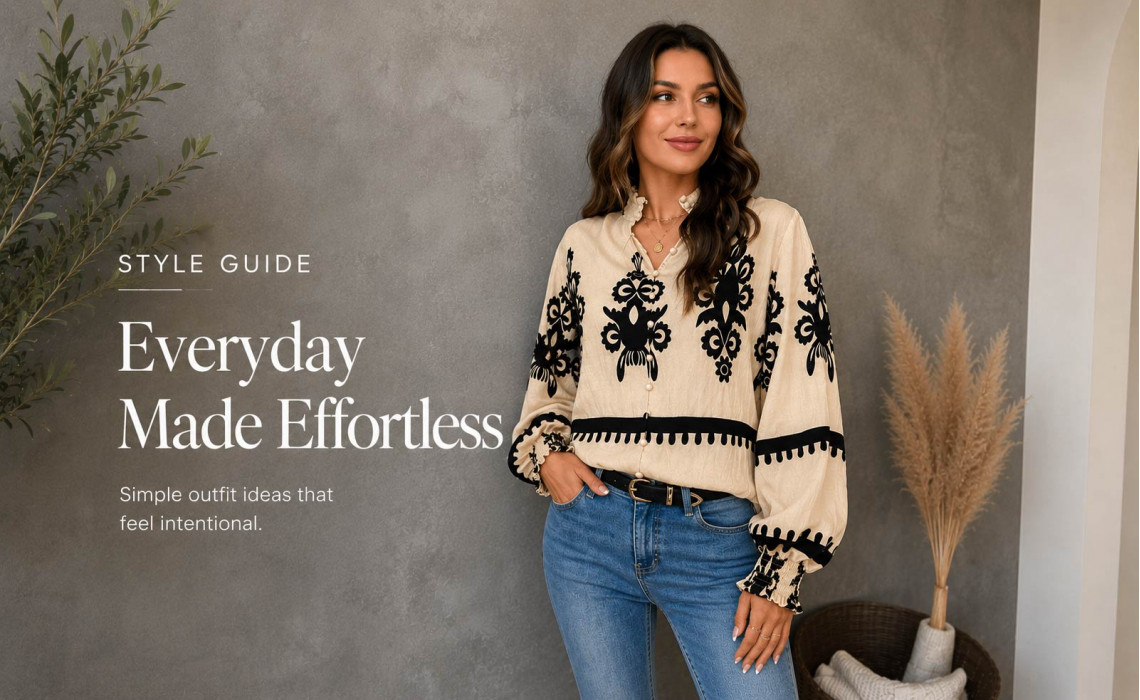
Casual Outfits That Still Look Put Together
STYLE GUIDE
How to make relaxed everyday outfits feel intentional
Looking put together does not require formal clothes or a complicated outfit. This guide explains how proportion, fit, fabric, color, and a few considered styling decisions can make comfortable casual outfits work for coffee runs, shopping days, brunch, lunch dates, casual workdays, and plans that change as the day goes on.
Dressed for where the day goes.
Looking put together does not require formal clothes, uncomfortable shoes, or an outfit made from several complicated layers. Many of the most successful casual outfits are simple. What makes them feel intentional is usually the relationship between proportion, fit, fabric, color, and one or two styling decisions that give the look direction.
That matters because everyday plans rarely stay inside one neat category. A coffee run can become lunch. A shopping day can lead to drinks. An ordinary afternoon in the city may include errands, a casual meeting, and an unexpected dinner invitation. The best Everyday Plans outfits are comfortable enough for the quiet parts of the day and considered enough for the plans that appear later.
The goal is not to look dressed up. It is to understand why certain combinations feel complete, then use those ideas to build casual outfits that suit the day you actually have.
What Makes a Casual Outfit Look Put Together?
A put-together casual outfit usually has a clear visual direction. That direction might come from a defined silhouette, a strong color, an expressive print, an interesting waist detail, or simply a balanced relationship between the top and bottom. The outfit does not need several focal points at once.
Balanced proportion is one of the most useful places to begin. If trousers are wide and fluid, a top that reveals some waist definition or finishes at a considered length can keep the silhouette from feeling visually heavy. If a blouse has volume, movement, or a strong print, quieter bottoms allow that detail to lead. A relaxed dress can work on its own because the silhouette is already established from shoulder to hem.
Fit also needs to match the intended shape. Relaxed clothing can be loose without looking shapeless. The difference often comes from where the garment has structure: a shoulder seam, collar, wrap waist, pleat, cuff, neckline, or clean hem can give a loose silhouette enough definition to feel deliberate.
Fabric affects the impression of an outfit too. Movement, drape, pleating, and texture create visual interest even when the outfit itself is simple. A fluid blouse with straightforward trousers can feel more complete than several unrelated statement pieces worn together.
Color coordination does not require exact matching. Repeating a neutral tone, choosing accessories with a similar visual mood, or pulling one quieter shade from a print can make separate pieces feel connected. The same principle applies to shoes and bags: they should support the outfit's level of formality rather than make the look feel as though its pieces belong to different occasions.
Accessories are most effective when they finish an idea rather than compete with it. If the blouse is already colorful, ruffled, or printed, simple jewelry may be enough. If the outfit is visually quiet, earrings, a necklace, or a more structured bag can provide the point of interest.
Put together does not mean formal, expensive, or heavily styled. It means the outfit looks as though its elements were chosen to work together.
Seven Casual Outfit Formulas for Real Everyday Plans
These outfit formulas are designed around different kinds of days and different styling decisions. Rather than treating casual dressing as a list of rules, use them as examples of how proportion, silhouette, color, detail, and accessories can give an everyday outfit a clear direction.
The One-Piece Shortcut: A Structured Shirt Dress
Occasion: Coffee dates, casual workdays where appropriate, shopping, lunch plans, and everyday city plans.
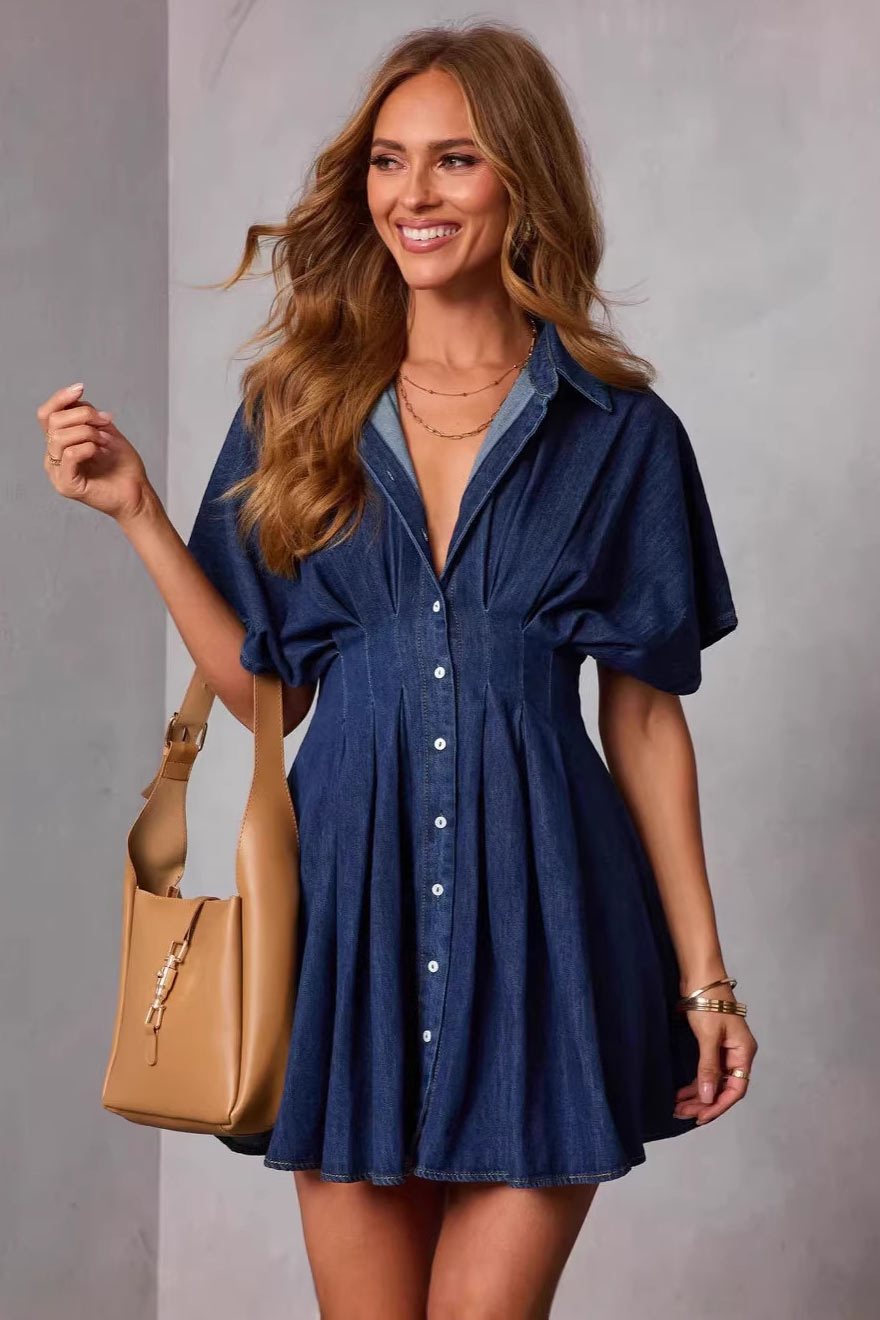
The Vittoria Pleated Shirt Mini Dress is an example of why a one-piece outfit can make casual dressing easier. The combination of a collar, pleating, and defined construction gives the dress visual structure without requiring a jacket, layered top, or complicated styling formula.
Outfit combination: Shirt mini dress + clean sneakers or loafers + a crossbody or structured everyday bag + simple jewelry.
Why it works: The dress creates the silhouette for you. The collar brings definition near the face, while the pleating adds movement and shape. Because the garment already contains both structure and detail, accessories can remain restrained.
Where to wear it: A coffee meeting, a shopping afternoon, lunch in the city, or a casual workplace where the length and dress code are appropriate. For work-focused outfit planning, explore Women’s Workwear for more ideas suited to professional settings.
For a more relaxed direction, pair the dress with clean sneakers and a practical crossbody. For a slightly sharper daytime look, switch to loafers or ballet flats and a smaller structured bag. The dress stays the same; the accessories change the context.
The Relaxed Weekend Dress: Softness Without Looking Unfinished
Occasion: Coffee runs, brunch with friends, casual dates, garden parties, relaxed birthday celebrations, and easy weekend plans.
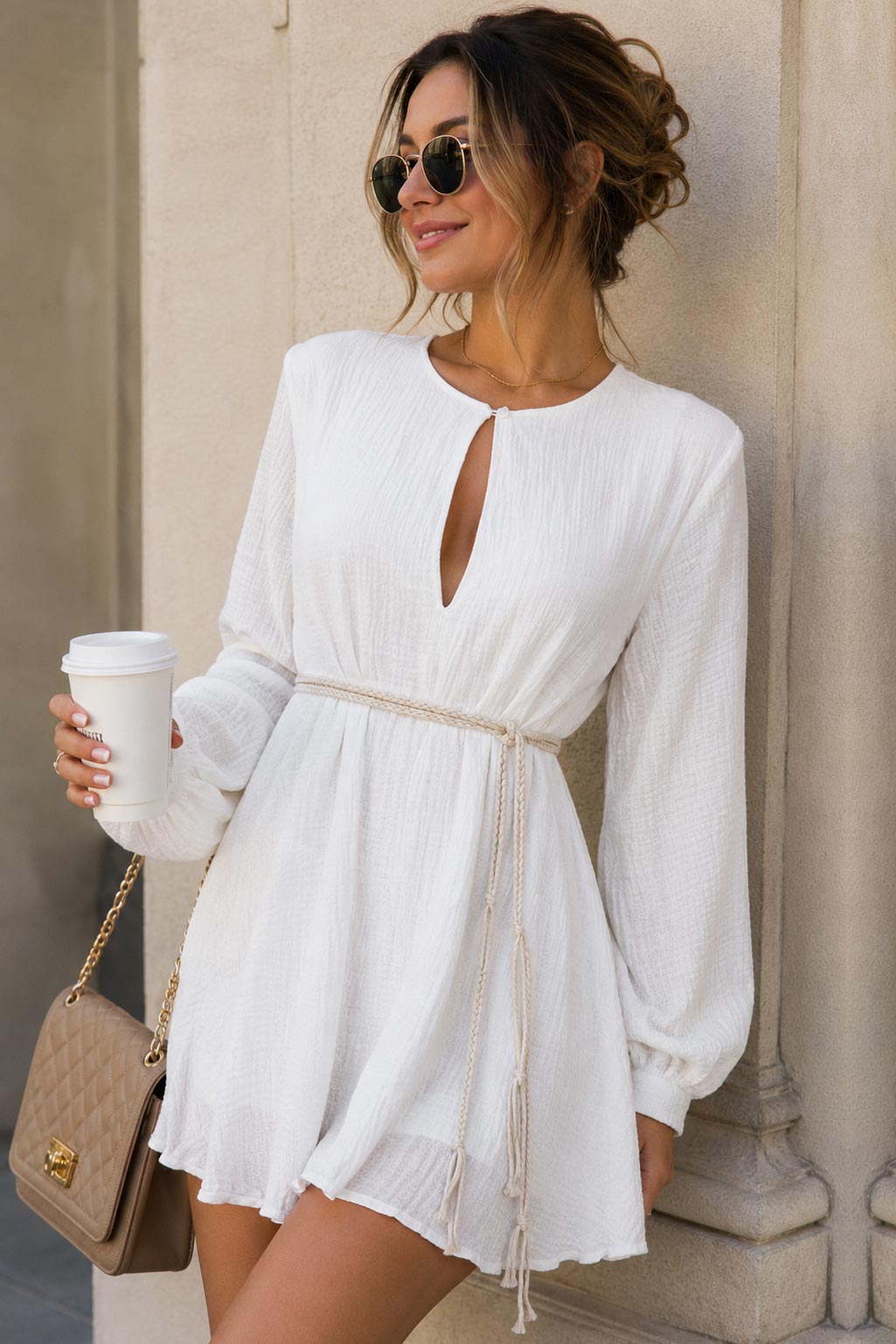
A feminine casual dress works best when its softness is allowed to remain the point. The Sunday Coffee Run Dress suits days when comfort matters but the plan still calls for something more considered than an errand-only outfit.
Outfit combination: Feminine casual dress + flat sandals, ballet flats, or clean sneakers + a light crossbody bag + delicate jewelry.
Why it works: The dress provides a complete silhouette while lighter accessories preserve its relaxed mood. Adding too many strong accessories could make a soft daytime outfit feel visually busy.
Where to wear it: Weekend coffee, brunch with friends, a casual date, a daytime birthday celebration, or an afternoon that moves between errands and social plans. It can also travel well for sightseeing, resort days, beachside cafés, and garden settings without making vacation dressing the only reason to wear it.
For an ordinary weekend, keep the styling light. A practical bag and comfortable shoe make the outfit feel connected to the reality of the day, while the dress itself provides enough shape and femininity to keep the look intentional.
The Feminine Top + Simple Bottom Formula
Occasion: Lunch dates, brunch, shopping, casual social plans, and everyday city outfits.
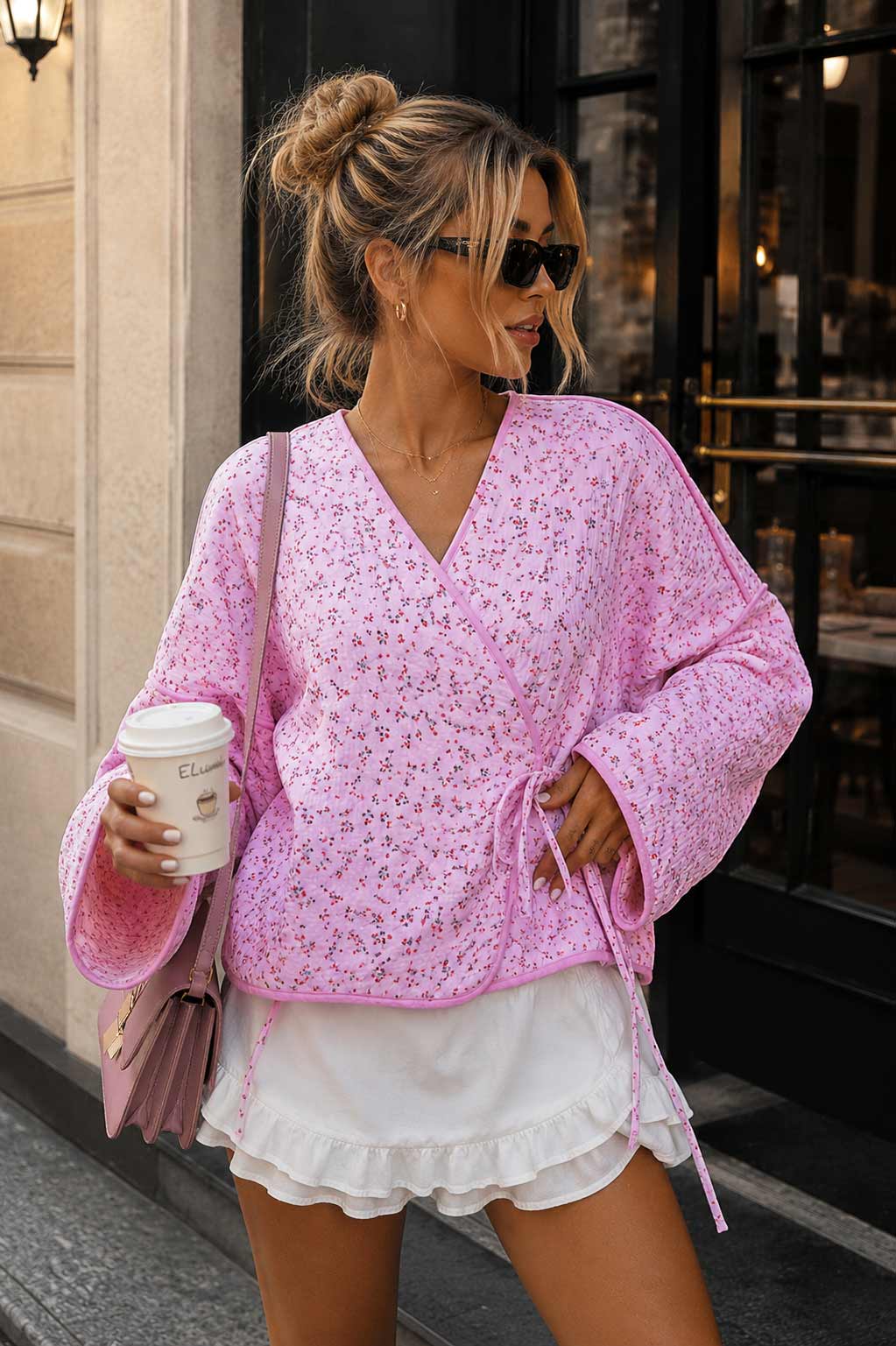
When a top already has shape, print, wrap construction, or movement, the rest of the outfit does not need to compete. The Sylvie Meadow Wrap Blouse demonstrates a useful everyday formula: let the feminine top carry the visual interest and choose a simpler bottom silhouette.
Outfit combination: Detailed wrap blouse + straight-leg trousers, simple wide-leg pants, a clean midi skirt, or understated denim + uncomplicated shoes and a quiet bag.
Why it works: Visual balance comes from contrast. A shaped or expressive blouse gives the eye somewhere to focus, while a simpler bottom creates calm around it. This is especially useful when you want an outfit to feel feminine without adding several decorative elements.
Where to wear it: Brunch, a lunch date, shopping with friends, a museum afternoon, or casual city plans.
The styling decision is simple: before adding another statement accessory, ask whether the blouse has already completed the outfit. Often, a small pair of earrings, a practical bag, and a clean shoe are enough.
The Comfortable Pants Formula: Balance the Volume
Occasion: Shopping days, city walks, coffee, lunch, and long everyday plans.
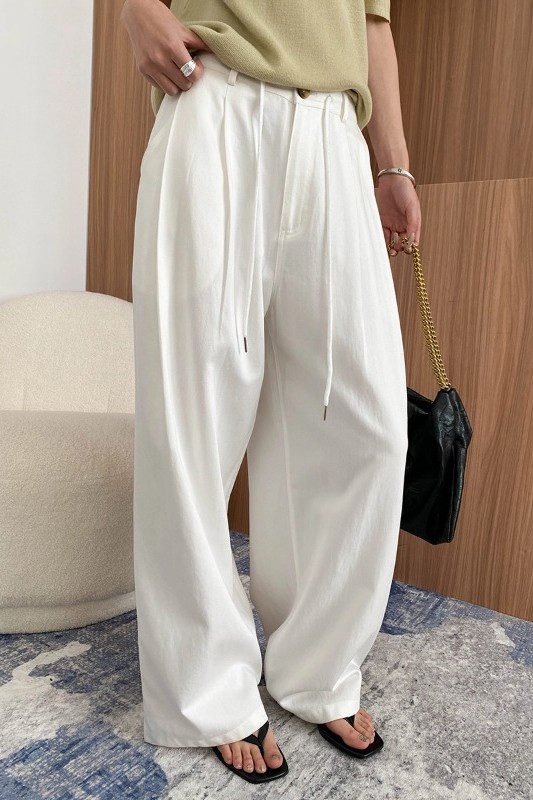
Wide-leg trousers can be one of the most comfortable foundations for a long day, but the outfit works best when the volume feels intentional. The Everyday Shopping Wide Pants make proportion the main styling decision.
Outfit combination: Wide-leg pants + a fitted, tucked, cropped, or otherwise proportion-balanced top + comfortable shoes with a clean shape + a practical everyday bag.
Why it works: The pants bring width and movement to the lower half of the silhouette. A top with a considered length or some waist definition keeps the outfit from becoming visually overwhelmed by fabric. This does not mean every top needs to be tight. A softer top can work when its hem, tuck, or drape gives the silhouette a visible relationship to the waist.
Where to wear it: Shopping for several hours, walking through the city, coffee followed by lunch, or an everyday plan where comfort needs to last.
Shoe shape matters here. A clean sneaker keeps the outfit practical. A flat sandal makes it lighter in warm weather. A loafer can make the same trousers feel more polished. The important question is whether the shoe supports the length and movement of the pant rather than visually fighting with it.
The Detail That Does the Styling Work
Occasion: Casual lunch, weekend plans, shopping, and daytime social plans.
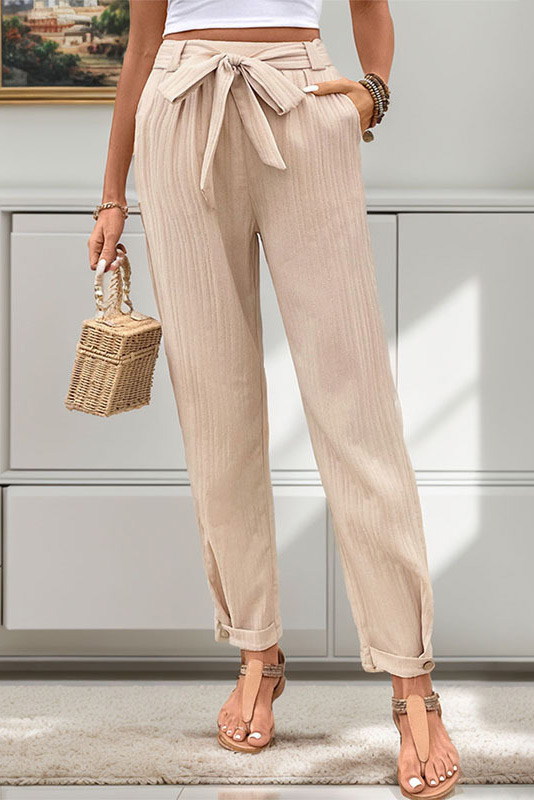
Not every outfit needs color, print, layered jewelry, and an interesting bag. Sometimes one distinctive garment detail can do most of the styling work. The Harmony Bow Pants offer a clear example: allow the waist detail to become the focal point and make quieter choices around it.
Outfit combination: Bow-detail pants + a simple blouse, knit top, or clean fitted tee + understated flats or sandals + minimal jewelry.
Why it works: The eye has one clear place to land. Keeping the top and accessories quieter gives the bow detail room to look deliberate rather than becoming one element in a collection of competing ideas.
Where to wear it: Weekend lunch, daytime social plans, shopping, or an informal gathering where you want more personality than a basic trouser outfit without looking overdressed.
Keep the waist visible when the garment's construction and your preferred styling allow it. Avoid adding a competing belt or several oversized accessories around the same area. The detail is already doing its job.
The Color + Detail Formula
Occasion: Lunch dates, casual dinners, birthday lunches, brunch, and social daytime plans.
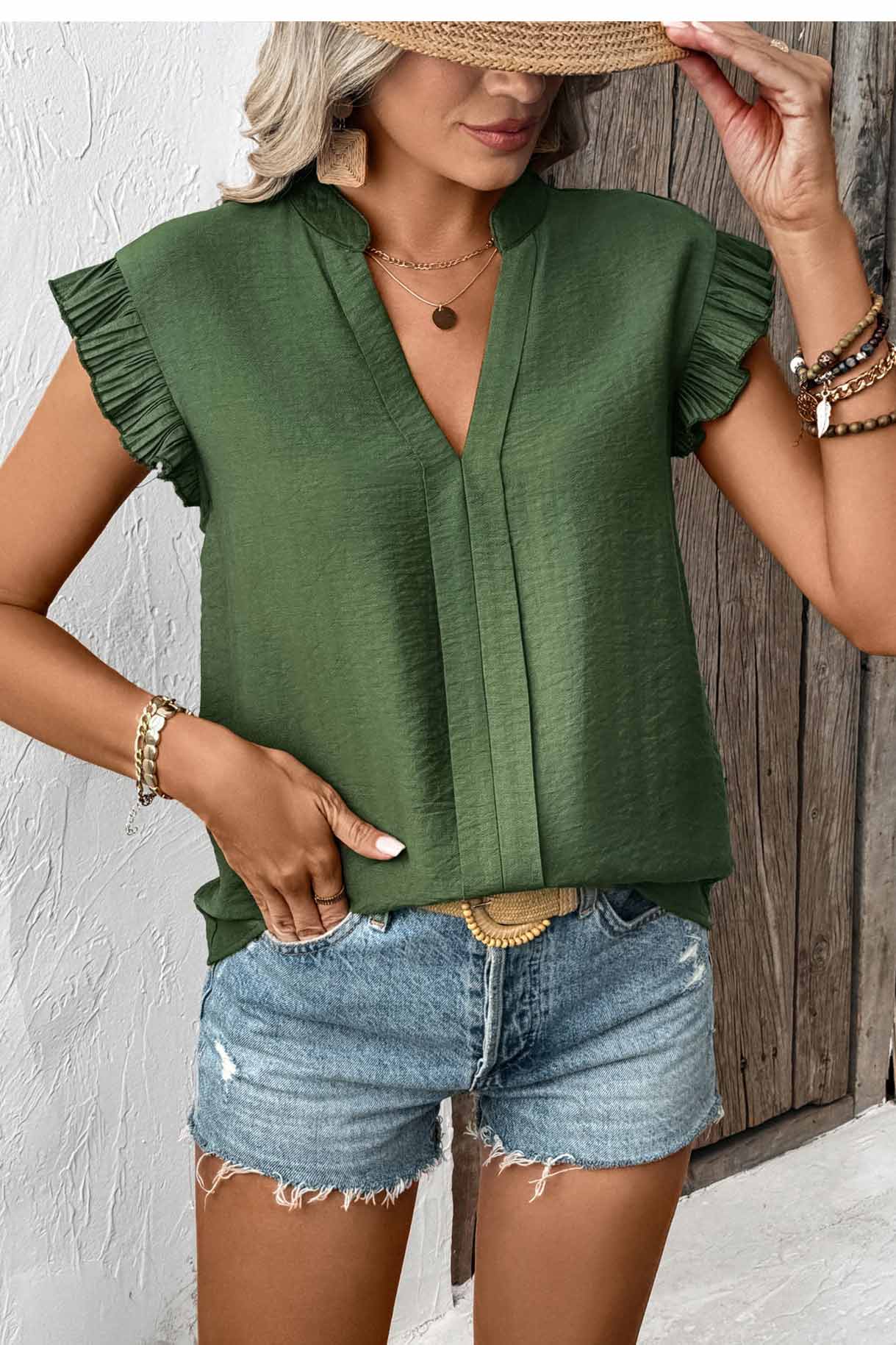
Color can make a simple outfit feel considered before any extra styling is added. With the Gaelle Emerald Ruffle Blouse, the strongest decision is already present: saturated color and feminine detail lead the outfit.
Outfit combination: Strong-color ruffle blouse + simple trousers, understated denim, or a clean skirt silhouette + restrained shoes + minimal jewelry.
Why it works: One strong color creates immediate focus. The outfit does not need several additional styling ideas to prove that it is finished. Simpler bottoms and accessories create contrast and let the blouse remain visually clear.
Where to wear it: A birthday lunch, brunch, a casual dinner, or a social daytime plan where a little more color feels appropriate.
This formula is also useful for plans that may continue into the evening. A smaller structured bag or a change from flats to a low heel can shift the mood without rebuilding the outfit. For more flexible styling ideas, the Day-to-Night collection focuses on looks that move with the day.
The Print-Led Everyday Outfit
Occasion: Weekend markets, café plans, lunch with friends, casual city days, and creative daytime plans.
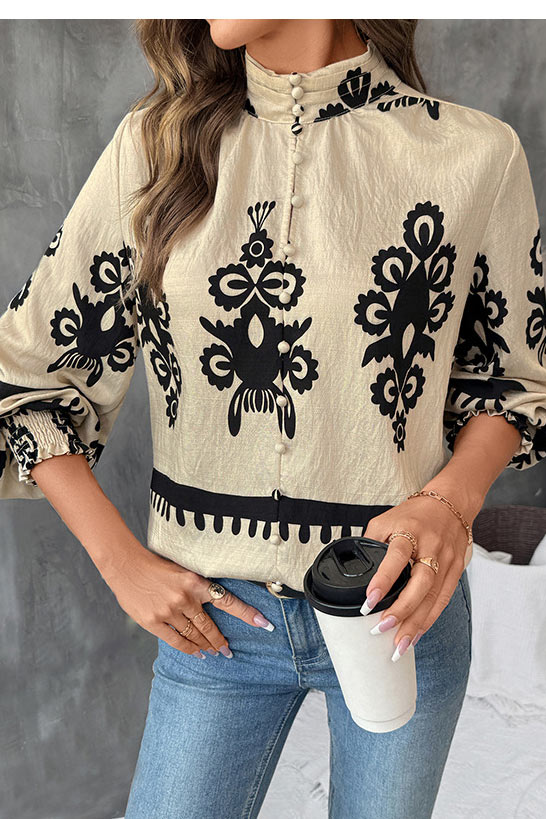
A print-led outfit can have personality without becoming complicated. The Folk Print Muse Blouse works as the visual center of the look, which makes the decisions around it easier.
Outfit combination: Printed blouse + a simple bottom in a quiet neutral or a subtle color connected to the print + uncomplicated shoes + limited accessories.
Why it works: Repeating one quieter color from a print can connect the outfit without creating an exact match. Pairing an expressive print with a straightforward silhouette also gives the eye enough visual rest.
Where to wear it: A weekend market, café plans, lunch with friends, an art-focused afternoon, or a casual city day.
Avoid asking every accessory to be interesting at the same time. If the print is expressive, the bag can be quiet, the shoe can be clean, and the jewelry can be selective. Personality comes from the blouse; complexity is not required.
The Difference Between Relaxed and Unfinished
Relaxed dressing and unfinished dressing can use similar garment categories. Both might include loose trousers, a soft blouse, a casual dress, flat shoes, or an everyday tote. The difference is usually not the price or formality of the clothes. It is whether the pieces create a coherent visual relationship.
A relaxed outfit might use a deliberately loose silhouette but balance that volume through top length, waist placement, or shoe shape. Its colors may coordinate quietly. The footwear supports the activity and mood of the day. At least one visible styling decision gives the look direction: perhaps a rolled sleeve, an expressive blouse with simple trousers, or a relaxed dress with a considered bag.
An outfit can feel unfinished when several proportions compete without a clear relationship, when multiple focal points pull attention in different directions, or when the clothing looks accidental rather than intentionally relaxed. A very formal bag with an extremely casual outfit can sometimes create a disconnect, just as overly sporty shoes may change the mood of an otherwise polished lunch look.
Accessories cannot always solve a lack of direction. Adding a necklace, statement earrings, a belt, and a strong bag to an outfit with no clear focal point may create more competition rather than more polish.
These are observations, not rigid laws. Personal style often comes from breaking expected combinations. The useful question is whether the contrast appears intentional and supports how you want to feel in the outfit. A relaxed silhouette can be polished. An unexpected shoe can be interesting. The goal is simply to understand what each choice is contributing.
Why One Focal Point Is Often Enough
One of the easiest ways to make casual outfits feel more intentional is to decide what should lead the look. The focal point can come from color, print, silhouette, or detail.
Color as the focal point: A strong-colored blouse can be paired with simple trousers and restrained accessories. The Gaelle Emerald Ruffle Blouse is a useful conceptual example: when color and detail already create impact, the rest of the outfit can become quieter.
Print as the focal point: An expressive blouse can sit above a simple base. With a print-led piece such as the Folk Print Muse Blouse, choose a bottom in a quiet neutral or pull a subtle color from the pattern. The print creates personality while the base gives it space.
Silhouette or detail as the focal point: Wide-leg trousers, a wrap construction, a bow waist, a pleated skirt, or a defined sleeve can lead an outfit even when the color palette is understated. In that case, avoid making every accessory equally dominant.
Limiting competing focal points does not mean an outfit needs to be minimal. It means the different parts have a hierarchy. A printed top can be the first thing you notice, while earrings and a bag quietly support it. A strong trouser silhouette can lead, while the top creates balance. This visual hierarchy is one reason simple outfits can still feel complete.
The Small Styling Decisions That Change an Everyday Outfit
Accessories can change the context of an outfit without changing its foundation. This is especially useful when the day includes several plans or when you want a small wardrobe to work in more situations.
Shoes change the energy of the outfit. Clean sneakers make a dress or trouser look practical for walking and errands. Flat sandals create a lighter warm-weather mood. Loafers add structure and can make casual separates feel appropriate for a more polished daytime setting. Ballet flats maintain softness in a feminine outfit, while low heels can shift a simple blouse-and-trouser combination toward dinner.
Bags change the level of polish and practicality. A soft everyday tote works when the day requires carrying more and the outfit itself already has enough structure. A crossbody keeps hands free for shopping, markets, or walking around the city. A smaller structured bag can sharpen the same dress or separates for lunch, a casual date, or later plans.
Jewelry should support what is already happening. If a blouse has ruffles, print, or strong color near the face, minimal earrings may be enough. A simple neckline can create space for a stronger necklace or more visible earrings. The question is not how much jewelry an outfit requires, but whether the jewelry adds a useful point of interest.
Small garment adjustments can clarify proportion. Rolling the sleeves of a shirt can make the styling feel more deliberate and relaxed. Defining the waist can help balance wide or fluid trousers when appropriate to the garment. A partial tuck can create a clearer relationship between a softer top and a fuller bottom. These small decisions work because they change the outline of the outfit, not because they follow a universal fashion rule.
Choose the Outfit for the Day You Actually Have
A useful casual wardrobe begins with the real plan, including the possibility that the plan may change.
- For a coffee run that may become lunch: Choose a simple dress or comfortable trousers with one intentional top. The outfit should feel easy at 10 a.m. and still appropriate if you stay out through the afternoon.
- For a shopping day: Prioritize movement, comfortable footwear, and a silhouette that stays comfortable for several hours. A crossbody bag or practical tote can support the activity without changing the outfit's visual direction.
- For brunch or lunch with friends: Add one feminine or expressive element through color, print, shape, or detail. One clear choice is often enough to move an outfit beyond purely functional dressing.
- For a casual date: Choose something that feels natural to wear but has one point of interest, such as a wrap shape, strong color, expressive print, or interesting trouser detail.
- For a day with several plans: Build a reliable base outfit and change the mood through a bag, shoe, jewelry choice, or light layer rather than planning a complete outfit change. If the later plan includes a meal out, explore Dinner Plans for more occasion-specific styling direction.
Why Getting Dressed Feels Easier With an Outfit Formula
An outfit formula is not a uniform. It is a repeatable relationship between pieces. Once you understand which relationships work for your wardrobe and daily life, getting dressed can require fewer decisions.
A detailed blouse with simple trousers works because the top leads and the bottom balances. A relaxed dress with intentional accessories works because the silhouette is complete and the finishing pieces establish context. Wide-leg pants with a proportion-balanced top work because volume is considered. A printed top with a quiet base works because the visual hierarchy is clear. A simple silhouette with one strong color works because color provides the focal point.
Repeating these relationships does not mean repeating the same outfit. Colors, fabrics, shoes, bags, and individual garments can change while the underlying formula remains reliable. That is what makes outfit formulas useful for real mornings: they reduce unnecessary decisions while leaving room for personal style.
Casual Style Works Best When It Supports Real Plans
The most useful casual outfits are rarely the most complicated. They are the ones that make sense for how the day feels, how much movement it requires, and where it may lead next.
A dress can simplify the entire decision. A feminine blouse can give simple trousers direction. Wide-leg pants can make a long day more comfortable when the proportions around them are considered. Color, print, or one distinctive detail can give an outfit personality without requiring layers of accessories.
The aim is not to make every casual outfit look formal. It is to make everyday dressing feel easier, more intentional, and more adaptable to real life. Build around proportion, choose one clear point of interest, and let shoes, bags, and small styling adjustments help the outfit move between plans.
Dressed for where the day goes.
About the Author
Laney is the Style Editor at Awesome Jade. She creates styling content focused on vacation outfits, matching sets, dinner looks, and everyday outfit planning for women.
Frequently Asked Questions
How can I make a casual outfit look more put together?
Start with balanced proportions and one clear focal point. Make sure the fit supports the intended silhouette, then choose shoes, a bag, and jewelry that match the outfit's mood instead of competing with it.
What is an easy casual outfit formula for women?
Try a detailed blouse with simple trousers, a relaxed dress with intentional accessories, wide-leg pants with a proportion-balanced top, or a printed top with a quiet base.
How do I look polished without looking overdressed?
Choose comfortable casual pieces with clear shape or detail, then keep the styling selective. A structured collar, wrap waist, strong color, or considered shoe can add polish without making the outfit formal.
What should I wear for a coffee date that might turn into lunch?
A simple casual dress or comfortable trousers with one intentional top works well. Choose comfortable shoes and a bag that can move easily between a quick coffee stop and a longer lunch plan.
How do I style wide-leg pants for a casual day?
Balance the volume with a top that has a considered length, some waist definition, or a clean tuck. Choose shoes that work with the pant length and the amount of walking in your day.
How many statement pieces should a casual outfit have?
One clear focal point is often enough. Let strong color, expressive print, an interesting silhouette, or a distinctive detail lead, then use quieter pieces and accessories to support it.
Can sneakers still look put together with casual outfits?
Yes. Clean sneakers can work well with casual dresses and trousers when their shape and visual weight support the rest of the outfit. They are especially useful for shopping days, walking, and plans that last several hours.